Have you ever thought of creating applications that don't use resources whey they're not active? Have you ever thought about building applications which are driven by external events and scale up or down appropriately? Have you ever thought of how can you generate and inject custom events into an application? And have you ever thought of coding based on functions along with their corresponding events that trigger them? Red Hat
OpenShift Serverless is the answer to those questions. As your application matures and starts to attract more traffic, Red Hat OpenShift Serverless is designed to know when it needs to scale your event-based applications up and down - even
to zero if it's not being used.
This means your application should be flexible enough to handle a certain amount of traffic, and when that amount of traffic grows, your application should be able to adapt its required infrastructure to the changes instead of breaking down.
Red Hat OpenShift Serverless is an
event-driven architecture which consists of event producers that generate a stream of events, and event consumers that listens for the events. Events are the structured messages that indicate a change in resources and could be CRUD operations, lifecycle state change, or system events. These are orchestrated by a highly performant service that knows when to scale up and down.
Red Hat OpenShift Serverless allows the hosting of serverless applications which are based on functions and events. The platform is always aware if there's work to do for your application. If needed, it fires up containers and shuts them down afterwards, reducing the resources consumed.
Red Hat OpenShift Serverless (Serving, Eventing, CLI) Components on IBM Z / LinuxONERed Hat OpenShift Serverless is a service based on the upstream
Knative (pronounced “Kay – Native”) project, which provides a set of components to help build, deploy, and manage modern applications using serverless methodology.
IBM was able to/is working on upstream contributions to enable deploy and verify the Knative Components Serving, Eventing , and kn CLI on Linux on
IBM Z / and LinuxONE. Screenshots showing the use of Serverless are attached in the following sections.
Red Hat OpenShift Serverless can be used to deploy applications written in
any language, & framework you're familiar with.
Red Hat OpenShift Serverless Deployment on IBM Z / LinuxONE
With the release of
Red Hat OpenShift Serverless version 1.14.0 , Red Hat OpenShift Serverless is now generally available (GA) on OCP starting with OCP 4.6 on IBM Z / LinuxONE.
Figure 1 shows that you can install the OpenShift Serverless Operator to an OpenShift Container Platfrom from the
OperatorHub available in Red Hat OpenShift Container Platform web console.
An Operator takes human operational knowledge and encodes it into software for providing the automated solution. Thus, handling upgrades seamlessly, and reacting to failures automatically.
The
Serverless Operator defines custom resources which enables users to configure, install, upgrade, and maintain
serving and
eventing components over their lifecycle through a simple API.
Figure 2 shows the Serverless Operator in running state.
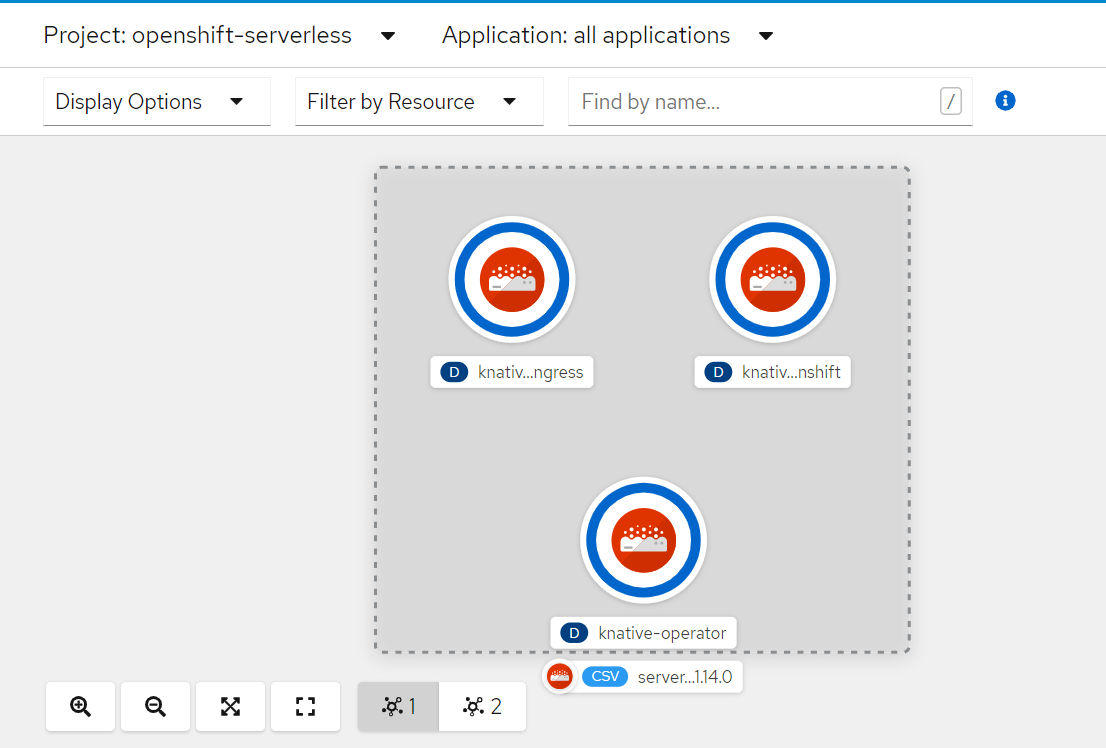 Figure 2: Serverless Operators on IBM LinuxONE
Figure 3
Figure 2: Serverless Operators on IBM LinuxONE
Figure 3 shows that
Serving components are also installed to support deploying and serving of applications and functions as serverless containers. Thus, reducing the efforts for auto-scaling, networking, and rollouts.
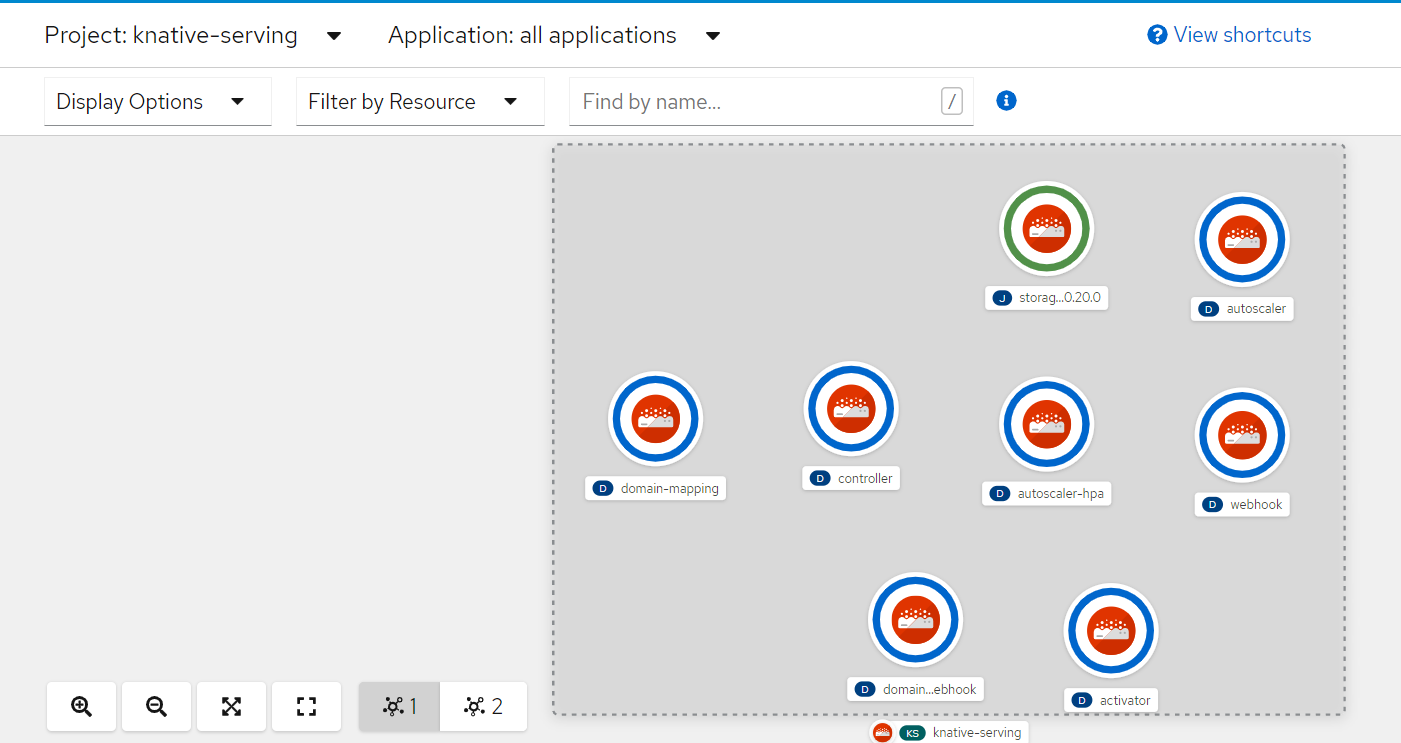 Figure 3: Serverless Serving on IBM LinuxONE
Figure 4
Figure 3: Serverless Serving on IBM LinuxONE
Figure 4 shows that the
Eventing components are also installed to easily route events by exposing event routing as configuration.
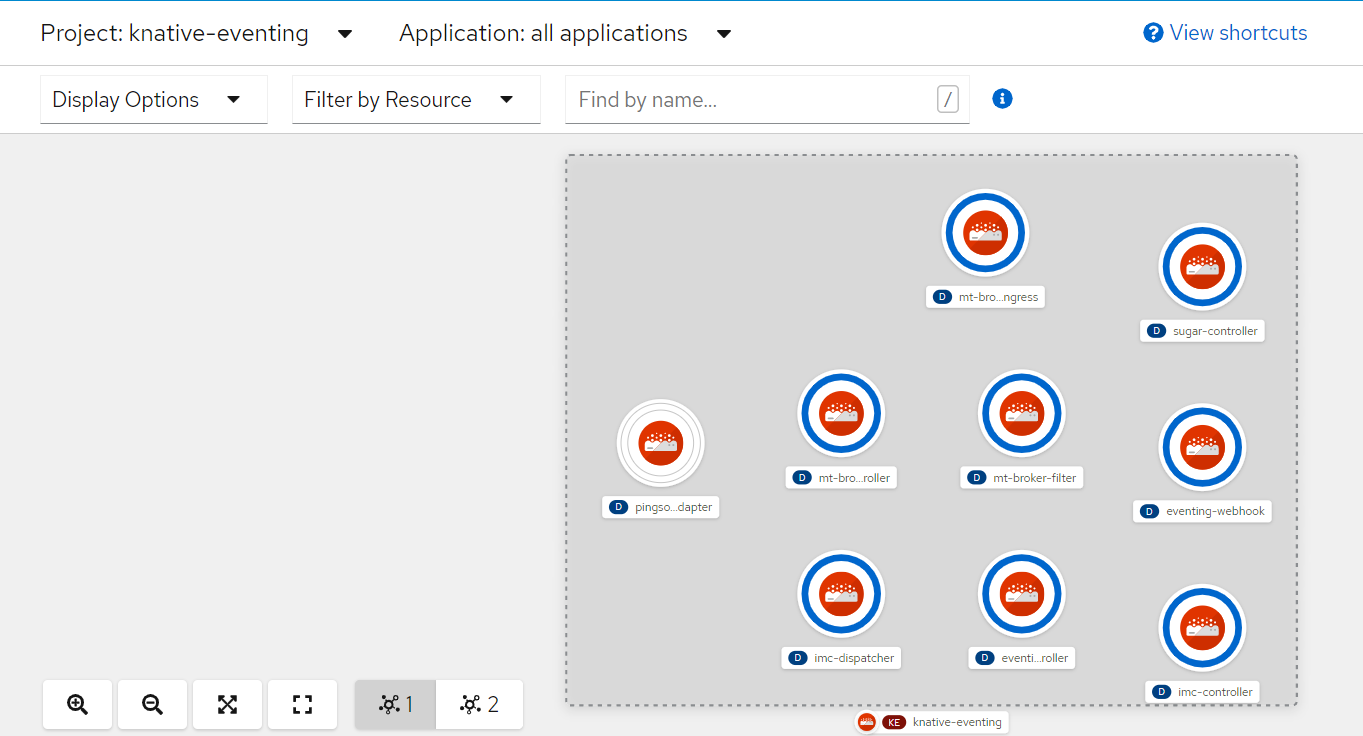 Figure 4: Serverless Eventing on IBM LinuxONE